
URSL
URSL
URSL Procedure in Paschim Vihar
Urinary stones can develop anywhere along the urinary tract and may cause pain, difficulty in urination, blood in the urine and recurrent urinary infections. When a stone becomes lodged in the ureter, it can obstruct the normal flow of urine and may require procedural treatment. URSL is a commonly used minimally invasive approach for treating selected ureteric stones.
If you are searching for a URSL Procedure in Paschim Vihar, Dr. Mayank Garg at Ayra Speciality Clinic provides evaluation and treatment guidance for patients with ureteric and urinary stone conditions. The recommended approach depends on factors such as stone size, location, symptoms, obstruction and the patient's overall health.
What Is URSL?
URSL stands for Ureteroscopic Lithotripsy. It is a minimally invasive procedure used to treat stones located in the ureter and, in selected situations, the urinary tract.
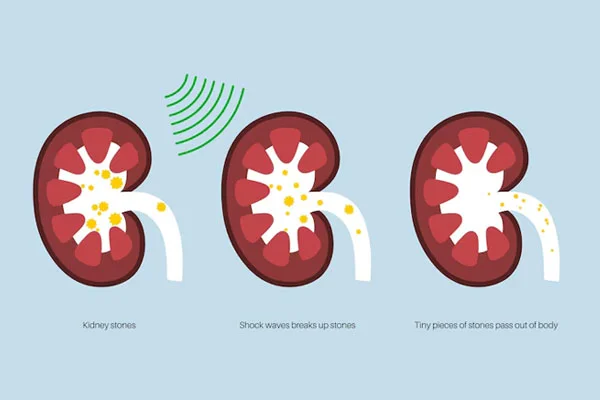
During URSL, a thin specialised instrument called a ureteroscope is passed through the natural urinary passage to reach the stone. Depending on the stone's size and characteristics, it may be fragmented using an energy source such as a laser and the fragments may then be removed.
Because the procedure uses the natural urinary passage rather than an external surgical incision, it is considered a minimally invasive treatment option for appropriate patients.
Who May Need URSL?
URSL may be considered when a ureteric stone is unlikely to pass naturally or is causing significant symptoms or complications.
A urologist may recommend URSL in situations such as:
· Ureteric stones causing persistent pain
· Stones causing urinary obstruction
· Stones that have not passed naturally
· Larger ureteric stones
· Recurrent symptoms related to a ureteric stone
· Stones associated with urinary infection
· Selected stones that are not suitable for other treatment approaches
· Persistent blood in the urine associated with a confirmed stone
Before recommending a URSL Procedure in Paschim Vihar, Dr. Mayank Garg evaluates the patient's symptoms and diagnostic findings to determine the most appropriate treatment.
Symptoms of Ureteric Stones
Ureteric stones can cause symptoms when they move through or obstruct the ureter. Common symptoms may include:
· Sudden or severe pain in the side or back
· Pain spreading towards the abdomen or groin
· Burning sensation while urinating
· Frequent urge to urinate
· Blood in the urine
· Nausea or vomiting
· Difficulty passing urine
· Fever or chills when infection is present
The intensity of symptoms can vary depending on the size and location of the stone.
How Is the URSL Procedure Performed?
A URSL Procedure in Paschim Vihar involves several steps designed to locate and treat the stone through the urinary passage.
1. Pre-Procedure Assessment
The doctor reviews the patient's medical history, symptoms and previous reports. Imaging investigations may be recommended to determine the stone's exact location, size and number.
2. Anaesthesia
The procedure is performed under appropriate anaesthesia. The type of anaesthesia is determined according to the patient's condition and the planned procedure.
3. Ureteroscope Insertion
A thin ureteroscope is carefully introduced through the natural urinary passage and advanced towards the ureter where the stone is located.
4. Stone Fragmentation
Once the stone is identified, specialised instruments may be used to break it into smaller fragments. Laser lithotripsy may be used in suitable cases.
5. Stone Fragment Removal
The stone fragments may be removed using specialised instruments or allowed to pass naturally depending on their size and the clinical situation.
6. Stent Placement
In selected patients, the doctor may place a temporary ureteric stent to support urine drainage and allow the ureter to heal. Whether a stent is required depends on individual circumstances.
Benefits of URSL
For appropriately selected ureteric stones, URSL offers several potential advantages:
· Minimally invasive treatment
· No large external surgical incision
· Direct visualisation of the stone
· Ability to treat stones in different parts of the ureter
· Stone fragmentation and removal during the procedure
· Useful for stones that may not pass naturally
· Can help relieve obstruction caused by selected stones
The expected outcome depends on the stone's size, location, composition and the patient's overall health.
URSL vs Natural Passage of a Stone
Some small urinary stones can pass naturally without surgery. However, not every stone is likely to pass on its own. Factors such as stone size, location, duration of symptoms and urinary obstruction influence management.
If a stone remains lodged in the ureter or causes persistent symptoms, infection or obstruction, procedural treatment may be considered.
Therefore, it is important not to assume that every urinary stone will pass naturally. A urological evaluation can help determine the safest and most appropriate management strategy.
Recovery After URSL
Recovery following URSL varies depending on the stone, procedure and individual health condition. Some patients may experience mild urinary discomfort, increased frequency or blood in the urine for a short period, particularly when a temporary stent has been placed.
After the procedure, patients may be advised to:
· Take prescribed medicines as directed
· Maintain adequate fluid intake when appropriate
· Follow activity restrictions provided by the doctor
· Attend scheduled follow-up appointments
· Complete recommended investigations
· Follow instructions regarding temporary stent removal if a stent has been placed
Persistent severe pain, fever, difficulty passing urine or other concerning symptoms should be reported to the treating doctor.
Why Is Timely Treatment Important?
A ureteric stone can sometimes block the flow of urine from the kidney to the bladder. Prolonged obstruction, particularly when associated with infection, may require prompt medical attention.
Timely evaluation can help determine whether the stone can be managed conservatively or requires a procedure such as URSL.
Patients with severe pain, fever, chills, vomiting or difficulty passing urine should seek medical evaluation rather than delaying treatment.
Why Choose Dr. Mayank Garg for URSL Procedure in Paschim Vihar?
Dr. Mayank Garg provides consultation and treatment planning for patients with urinary and kidney stone conditions at Ayra Speciality Clinic.
For patients considering a URSL Procedure in Paschim Vihar, treatment planning may involve:
· Detailed evaluation of urinary stone symptoms
· Review of imaging and diagnostic reports
· Assessment of stone size and location
· Evaluation of urinary obstruction
· Discussion of suitable treatment options
· Guidance regarding preparation and recovery
· Follow-up after treatment
The appropriate treatment is selected according to the patient's individual clinical requirements rather than using the same approach for every stone.
URSL Treatment at Ayra Speciality Clinic
At Ayra Speciality Clinic, Paschim Vihar, patients can consult Dr. Mayank Garg for evaluation of kidney and ureteric stones.
During the consultation, the doctor may assess:
· Stone size
· Stone location
· Number of stones
· Symptoms and duration
· Urinary obstruction
· Previous history of stones
· Previous treatments
· Overall health and kidney function
Based on these factors, an appropriate management plan can be discussed.
When Should You Consult a Urologist?
You should consider consulting a urologist if you have persistent symptoms or have been diagnosed with a ureteric stone.
Professional evaluation is particularly important if you experience:
· Severe or recurring flank pain
· Blood in urine
· Persistent urinary discomfort
· Repeated urinary infections
· Difficulty passing urine
· A stone that has not passed
· Fever or chills with urinary symptoms
· A known obstructing ureteric stone
Early evaluation can help prevent avoidable complications and identify the appropriate treatment option.
Frequently Asked Questions About URSL Procedure in Paschim Vihar
1. What is a URSL procedure?
URSL, or Ureteroscopic Lithotripsy, is a minimally invasive procedure used to treat selected stones in the ureter by reaching the stone through the natural urinary passage and fragmenting or removing it.
2. Is URSL suitable for every ureteric stone?
No. Treatment depends on factors such as the stone's size, location, symptoms, obstruction and the patient's overall health. A urologist determines the appropriate approach after evaluation.
3. Is laser used during URSL?
Laser lithotripsy may be used in suitable cases to break the urinary stone into smaller fragments for removal or natural passage.
4. Is a stent required after URSL?
A temporary ureteric stent may be placed in some patients. The decision depends on the procedure and the individual clinical situation.
5. How long does recovery take after URSL?
Recovery varies between patients. Your doctor will provide specific instructions regarding medicines, physical activity, hydration and follow-up based on your procedure.
6. Where can I consult for URSL Procedure in Paschim Vihar?
You can consult Dr. Mayank Garg at Ayra Speciality Clinic, Paschim Vihar, for evaluation of ureteric stones and guidance regarding suitable treatment options.
Consult Dr. Mayank Garg for URSL Procedure in Paschim Vihar
Ureteric stones can cause significant pain and may sometimes lead to urinary obstruction or infection. Proper diagnosis is important for deciding whether conservative management or a procedure is appropriate.
If you are looking for a URSL Procedure in Paschim Vihar, consult Dr. Mayank Garg at Ayra Speciality Clinic for a detailed evaluation and personalised treatment plan based on your stone and overall health condition.