
RIRS
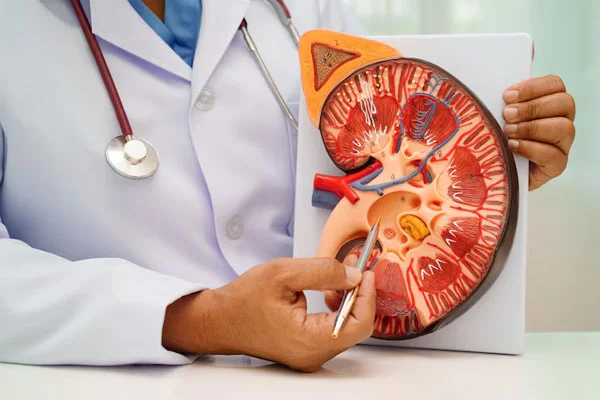
RIRS
RIRS Procedure in Paschim Vihar
Kidney stones can vary considerably in size, number and location. While some stones can be managed with medicines or observation, others may require a minimally invasive procedure for removal. RIRS is an advanced endoscopic treatment option used for selected kidney stones, particularly when direct access through the urinary passage is suitable.
If you are searching for a RIRS Procedure in Paschim Vihar, Dr. Mayank Garg at Ayra Speciality Clinic provides evaluation and treatment planning for patients with kidney and urinary stone conditions. The recommended treatment depends on factors such as the stone's size, location, number, composition and the patient's overall health.
What Is RIRS?
RIRS stands for Retrograde Intrarenal Surgery. It is a minimally invasive procedure used to treat kidney stones by accessing the kidney through the natural urinary passage.
A thin, flexible instrument known as a flexible ureteroscope is guided through the urethra and bladder into the ureter and kidney. Once the stone is identified, specialised instruments, often including a laser, may be used to fragment it into smaller pieces. The fragments can then be removed or allowed to pass naturally depending on their size and the clinical situation.
Unlike traditional open surgery, RIRS does not require a large external incision.
Who May Need RIRS?
RIRS may be considered for patients with kidney stones when a minimally invasive endoscopic approach is appropriate.
It may be recommended in selected cases involving:
· Kidney stones of suitable size and location
· Stones that are unlikely to pass naturally
· Multiple kidney stones
· Stones causing persistent symptoms
· Selected stones that are difficult to access using other approaches
· Recurrent kidney stone problems
· Patients requiring endoscopic stone treatment
The decision to undergo a RIRS Procedure in Paschim Vihar is made after reviewing imaging reports and evaluating the patient's individual condition.
Symptoms of Kidney Stones
Kidney stones may remain asymptomatic for some time, particularly when they do not obstruct urine flow. When symptoms occur, they may include:
· Pain in the side or back
· Pain extending towards the lower abdomen or groin
· Burning while urinating
· Increased urinary frequency
· Blood in the urine
· Nausea or vomiting
· Difficulty passing urine
· Fever or chills if an infection is present
Severe pain, fever, chills or difficulty passing urine should be evaluated promptly.
How Is the RIRS Procedure Performed?
A RIRS Procedure in Paschim Vihar is performed through the natural urinary passage and generally involves the following steps.
1. Pre-Procedure Evaluation
The urologist reviews the patient's symptoms, medical history and diagnostic reports. Imaging such as CT scans or ultrasound may be used to assess the stone's size, number and location.
2. Anaesthesia
RIRS is performed under appropriate anaesthesia. The anaesthesia plan depends on the patient's health and the procedure being performed.
3. Flexible Ureteroscope Placement
A flexible ureteroscope is carefully passed through the urinary passage into the bladder and then through the ureter to reach the kidney.
4. Stone Identification
The flexible scope allows the doctor to visualise the stone inside the kidney and determine the appropriate treatment approach.
5. Laser Stone Fragmentation
In suitable cases, laser energy is used to break the stone into smaller fragments. The fragments may be removed with specialised instruments or reduced to small particles that can pass naturally.
6. Stent Placement
A temporary ureteric stent may be placed in selected patients to support urine drainage and the healing process. The requirement for a stent depends on the individual procedure and clinical situation.
Benefits of RIRS
For appropriately selected kidney stones, RIRS can offer several potential advantages:
· Minimally invasive treatment
· No large external surgical incision
· Access to stones through the natural urinary passage
· Ability to treat selected stones located in different parts of the kidney
· Laser fragmentation of stones when appropriate
· Suitable for selected patients who may not be ideal candidates for other procedures
· Potentially shorter recovery compared with open surgical approaches
The expected results depend on stone characteristics and individual patient factors.
RIRS vs Other Kidney Stone Treatments
Kidney stones can be treated using different methods, including medication, observation, shock wave lithotripsy, ureteroscopic procedures and percutaneous procedures.
The choice depends on:
· Stone size
· Stone location
· Number of stones
· Stone composition
· Kidney anatomy
· Presence of obstruction
· Previous treatment
· Patient's overall health
RIRS is therefore not necessarily the right procedure for every kidney stone. A urologist can recommend the most appropriate option after a detailed assessment.
Recovery After RIRS
Recovery following a RIRS Procedure in Paschim Vihar varies depending on the complexity of treatment and the patient's individual health.
Temporary urinary symptoms may occur following the procedure, particularly when a ureteric stent has been placed. Patients should follow the instructions provided by their doctor regarding medicines, hydration, physical activity and follow-up.
Post-procedure guidance may include:
· Taking prescribed medicines
· Maintaining adequate fluid intake when medically appropriate
· Following activity restrictions
· Attending scheduled follow-up visits
· Completing recommended imaging or urine tests
· Following instructions regarding stent removal, if applicable
Any persistent fever, severe pain, significant bleeding or difficulty passing urine should be reported to the treating doctor.
Importance of Follow-Up After RIRS
Treatment of a kidney stone is only one part of long-term stone management. Follow-up may be recommended to assess whether residual fragments remain and to monitor the urinary system.
Depending on the individual case, the doctor may recommend imaging or other investigations after treatment.
Patients with recurrent stones may also benefit from an assessment of potential contributing factors, including dietary habits, fluid intake and metabolic factors.
Why Choose Dr. Mayank Garg for RIRS Procedure in Paschim Vihar?
Dr. Mayank Garg provides consultation and treatment planning for patients with kidney stones and other urological conditions at Ayra Speciality Clinic.
For patients considering a RIRS Procedure in Paschim Vihar, the treatment process begins with proper diagnosis and evaluation. Factors such as stone size, location, number and the patient's overall health are considered before recommending a procedure.
Patients can receive:
· Detailed kidney stone evaluation
· Review of diagnostic imaging
· Assessment of stone characteristics
· Discussion of suitable treatment options
· Guidance regarding preparation for treatment
· Post-procedure recovery advice
· Follow-up recommendations
RIRS Treatment at Ayra Speciality Clinic
At Ayra Speciality Clinic, Paschim Vihar, patients can consult Dr. Mayank Garg for kidney stone evaluation and treatment guidance.
During consultation, the doctor may review previous ultrasound, CT scan or other investigation reports. If additional tests are required, they may be recommended to understand the stone and urinary system more clearly.
A treatment plan is then developed according to factors such as:
· Stone size and location
· Number of stones
· Kidney anatomy
· Symptoms
· Urinary obstruction
· Previous stone treatments
· Overall health
This individualised approach helps determine whether RIRS or another treatment option is more appropriate.
When Should You Consult a Urologist?
You should consult a urologist if you have recurring kidney stone symptoms or have been diagnosed with a kidney stone that may require treatment.
Prompt evaluation is particularly important when there is:
· Persistent or severe flank pain
· Blood in urine
· Recurrent urinary infections
· Difficulty passing urine
· Fever with urinary symptoms
· A known obstructing stone
· Repeated episodes of kidney stones
· A stone that has not passed naturally
Early assessment can help determine the appropriate treatment before complications develop.
Frequently Asked Questions About RIRS Procedure in Paschim Vihar
1. What is a RIRS procedure?
RIRS, or Retrograde Intrarenal Surgery, is a minimally invasive procedure used to treat selected kidney stones by reaching the kidney through the natural urinary passage using a flexible ureteroscope.
2. Is laser used during RIRS?
Yes. Laser energy may be used to fragment kidney stones into smaller pieces during RIRS, depending on the stone and treatment plan.
3. Is RIRS suitable for all kidney stones?
No. The suitability of RIRS depends on the stone's size, location, number, composition and the patient's individual health condition.
4. Is a stent placed after RIRS?
A temporary ureteric stent may be placed in selected cases. The decision depends on the procedure and the patient's clinical requirements.
5. How long does recovery take after RIRS?
Recovery varies from patient to patient. Your doctor will provide specific instructions regarding medicines, physical activity, hydration and follow-up.
6. Where can I consult for RIRS Procedure in Paschim Vihar?
You can consult Dr. Mayank Garg at Ayra Speciality Clinic, Paschim Vihar, for evaluation of kidney stones and guidance regarding suitable treatment options.
Consult Dr. Mayank Garg for RIRS Procedure in Paschim Vihar
Kidney stones can cause recurring pain and urinary problems when they become symptomatic or obstruct the urinary tract. RIRS provides a minimally invasive treatment option for selected kidney stones.
If you are looking for a RIRS Procedure in Paschim Vihar, consult Dr. Mayank Garg at Ayra Speciality Clinic for a detailed evaluation. The appropriate treatment is selected after considering your stone characteristics, diagnostic findings and overall health