
Holep
Holep
HoLEP Procedure in Paschim Vihar
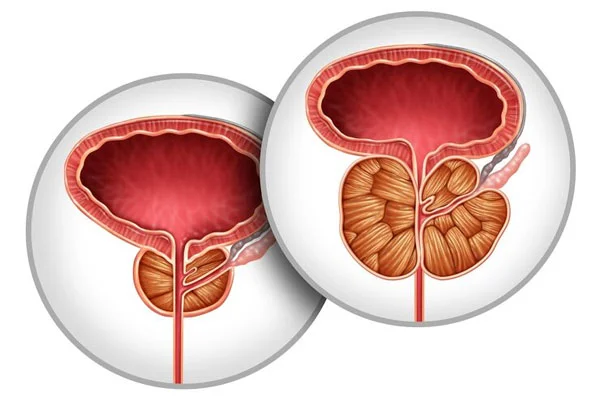
An enlarged prostate, medically known as benign prostatic hyperplasia (BPH), can cause progressive changes in urination. Men may experience a weak urine stream, frequent urination, difficulty starting the flow or a feeling that the bladder has not emptied completely. When these symptoms become persistent or medicines are not providing adequate relief, a procedural treatment may be considered.
HoLEP, or Holmium Laser Enucleation of the Prostate, is a minimally invasive procedure used to remove obstructing prostate tissue. It uses a holmium laser to separate and remove the enlarged inner portion of the prostate that is responsible for urinary obstruction.
If you are looking for a HoLEP Procedure in Paschim Vihar, Dr. Mayank Garg at Ayra Speciality Clinic provides urological evaluation and treatment planning for patients with enlarged prostate and associated urinary symptoms.
What Is HoLEP?
HoLEP stands for Holmium Laser Enucleation of the Prostate. It is an endoscopic procedure used to treat urinary obstruction caused by benign prostate enlargement.
During the procedure, a specialised instrument is passed through the urethra. A holmium laser is used to separate the enlarged prostate tissue from the surrounding prostate capsule. The removed tissue is then placed into the bladder and broken into smaller pieces for removal using a specialised instrument.
Like other endoscopic prostate procedures, HoLEP is performed through the urinary passage and does not require an external surgical incision.
The suitability of a HoLEP Procedure in Paschim Vihar depends on factors such as prostate size, urinary symptoms, bladder function, overall health and previous treatment.
Who May Need HoLEP?
HoLEP may be considered for men who have urinary symptoms or complications associated with benign prostate enlargement.
A urologist may consider HoLEP in selected patients with:
· Moderate to severe urinary symptoms
· Weak or interrupted urine flow
· Difficulty starting urination
· Incomplete bladder emptying
· Recurrent urinary retention
· Persistent symptoms despite medication
· Prostate enlargement causing urinary obstruction
· Recurrent urinary infections associated with obstruction
· Other complications related to an enlarged prostate
The final treatment decision is made after a detailed clinical evaluation.
Symptoms of Enlarged Prostate
BPH symptoms can develop gradually and may become more noticeable over time.
Common symptoms include:
· Frequent urination
· Increased nighttime urination
· Urgency to urinate
· Weak urine stream
· Difficulty initiating urination
· Interrupted urine flow
· Dribbling after urination
· Feeling of incomplete bladder emptying
· Difficulty maintaining a normal urine stream
These symptoms can also occur due to other urinary conditions, so appropriate evaluation is important before deciding on treatment.
How Is the HoLEP Procedure Performed?
A HoLEP Procedure in Paschim Vihar generally involves several carefully planned steps.
1. Pre-Procedure Evaluation
The doctor reviews the patient's urinary symptoms, medical history and previous treatment. Investigations may include urine tests, blood tests, prostate assessment, ultrasound or other tests depending on the patient's condition.
2. Anaesthesia
HoLEP is performed under appropriate anaesthesia. The anaesthesia plan is decided according to the patient's health and procedure requirements.
3. Endoscopic Access
A specialised endoscope is introduced through the urethra to reach the prostate. No external incision is required.
4. Laser Enucleation
A holmium laser is used to separate the enlarged prostate tissue from the prostate capsule. This removes the tissue responsible for obstructing urine flow.
5. Tissue Removal
The separated prostate tissue is moved into the bladder and then broken into smaller pieces using a specialised instrument before being removed.
6. Catheter Placement
A urinary catheter may be placed temporarily after the procedure to help drain the bladder during the initial recovery period.
The exact steps and duration of the procedure depend on prostate size, anatomy and the patient's individual clinical situation.
Benefits of HoLEP
For appropriately selected patients, HoLEP offers several potential benefits:
· Minimally invasive treatment
· No external surgical incision
· Laser-based removal of obstructing prostate tissue
· Can be considered for different prostate sizes
· Direct removal of tissue causing urinary obstruction
· Potential improvement in urinary flow
· Endoscopic approach through the urinary passage
The expected outcome varies depending on prostate size, bladder function, symptoms and overall health.
HoLEP vs TURP
Both HoLEP and TURP are endoscopic procedures used to treat urinary obstruction associated with benign prostate enlargement. However, the techniques used to remove prostate tissue are different.
In TURP, obstructing prostate tissue is removed using a resection technique. In HoLEP, a holmium laser is used to enucleate the enlarged prostate tissue.
The choice between HoLEP, TURP, medication or another treatment depends on factors such as:
· Prostate size
· Severity of symptoms
· Urinary obstruction
· Bladder function
· Patient's overall health
· Previous treatment
· Urologist's assessment
A consultation with a urologist can help determine the most suitable option.
Recovery After HoLEP
Recovery following a HoLEP Procedure in Paschim Vihar varies from patient to patient.
Temporary urinary frequency, urgency or mild burning may occur during the recovery period. Some patients may also notice blood in the urine for a period following the procedure.
Patients are generally advised to:
· Take prescribed medicines as directed
· Drink fluids according to medical advice
· Avoid strenuous physical activity until cleared
· Follow catheter-care instructions if applicable
· Attend follow-up appointments
· Follow instructions regarding return to routine activities
The recovery plan is individualised according to the patient's progress and overall condition.
Long-Term Care After HoLEP
Treatment of prostate obstruction should be followed by appropriate medical follow-up. The doctor may monitor urinary symptoms, urine flow and bladder emptying after the procedure.
Follow-up is also useful for assessing recovery and addressing any persistent urinary symptoms.
Patients should follow their urologist's instructions regarding:
· Medicines
· Fluid intake
· Physical activity
· Follow-up visits
· Investigations
· Return to normal activities
Why Choose Dr. Mayank Garg for HoLEP Procedure in Paschim Vihar?
Dr. Mayank Garg provides urological consultation and treatment planning at Ayra Speciality Clinic, Paschim Vihar.
Patients considering a HoLEP Procedure in Paschim Vihar can undergo a detailed assessment to understand the cause and severity of their urinary symptoms.
The consultation may include:
· Assessment of urinary symptoms
· Evaluation of prostate enlargement
· Review of previous investigations
· Assessment of urinary obstruction
· Discussion of treatment options
· Pre-procedure guidance
· Post-procedure recovery planning
· Follow-up recommendations
Treatment is recommended according to the patient's individual clinical condition.
HoLEP Treatment at Ayra Speciality Clinic
At Ayra Speciality Clinic, men experiencing urinary problems associated with prostate enlargement can consult Dr. Mayank Garg for evaluation and treatment guidance.
The doctor may consider:
· Severity and duration of urinary symptoms
· Prostate size
· Urine flow
· Bladder emptying
· Previous urinary retention
· Medication response
· Overall health
Based on the findings, appropriate treatment options can be discussed.
When Should You Consult a Urologist?
Persistent urinary symptoms should not simply be considered a normal part of ageing. A urological assessment can help identify whether an enlarged prostate or another condition is responsible.
Consult a urologist if you experience:
· Increasing difficulty urinating
· Weak urine stream
· Frequent nighttime urination
· Repeated urinary retention
· Incomplete bladder emptying
· Recurrent urinary infections
· Blood in urine
· Persistent urinary discomfort
Sudden inability to pass urine requires prompt medical attention.
Frequently Asked Questions About HoLEP Procedure in Paschim Vihar
1. What is a HoLEP procedure?
HoLEP stands for Holmium Laser Enucleation of the Prostate. It is a minimally invasive procedure that uses a holmium laser to remove enlarged prostate tissue causing urinary obstruction.
2. Who may be suitable for HoLEP?
HoLEP may be considered for selected men with bothersome urinary symptoms or obstruction caused by benign prostate enlargement. Suitability depends on individual clinical factors.
3. Does HoLEP require an external incision?
No. HoLEP is performed through the urethra using specialised endoscopic instruments, so an external surgical incision is not required.
4. Is HoLEP different from TURP?
Yes. Both procedures treat prostate-related urinary obstruction, but HoLEP uses a holmium laser to enucleate enlarged prostate tissue, while TURP uses a resection technique.
5. Is a catheter required after HoLEP?
A temporary urinary catheter may be placed after the procedure. The duration depends on the patient's individual recovery and clinical condition.
6. Where can I consult for HoLEP Procedure in Paschim Vihar?
You can consult Dr. Mayank Garg at Ayra Speciality Clinic, Paschim Vihar, for evaluation of enlarged prostate symptoms and guidance regarding suitable treatment options.
Consult Dr. Mayank Garg for HoLEP Procedure in Paschim Vihar
Urinary symptoms caused by an enlarged prostate can affect everyday comfort, sleep and quality of life. When medicines are insufficient or significant obstruction develops, a procedure such as HoLEP may be considered for suitable patients.
If you are searching for a HoLEP Procedure in Paschim Vihar, consult Dr. Mayank Garg at Ayra Speciality Clinic for a detailed evaluation and personalised treatment plan based on your symptoms, prostate condition and overall health.