
VIU
VIU
Urinary problems such as a weak urine stream, difficulty passing urine, straining during urination or incomplete bladder emptying can significantly affect daily life. In some cases, these symptoms may occur due to a narrowing of the urethra, known as a urethral stricture. A VIU procedure in Paschim Vihar may be recommended for suitable patients to treat this narrowing and improve the flow of urine.
Dr. Mayank Garg at Ayra Speciality Clinic provides evaluation and treatment for various urological conditions, including urethral strictures and urinary obstruction. The treatment approach is based on a detailed assessment of the patient's symptoms, medical history and the characteristics of the stricture.
What Is a VIU Procedure?
VIU stands for Visual Internal Urethrotomy. It is a minimally invasive endoscopic procedure used to treat certain urethral strictures.
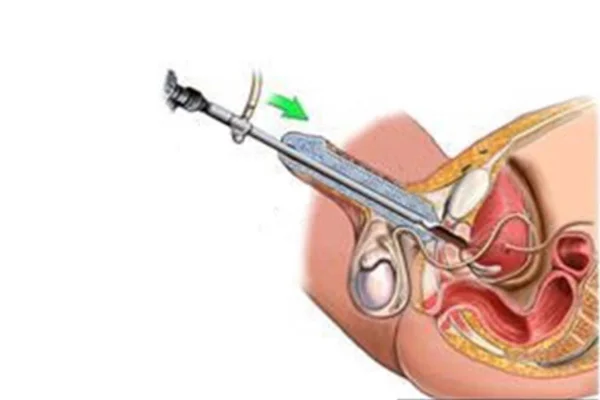
The urethra is the tube through which urine passes from the bladder to the outside of the body. When scar tissue causes the urethra to become narrow, urine may not flow properly. During a VIU procedure, a specialised instrument with a camera is passed through the urethra to visualise the narrowed area. The surgeon then makes an incision in the scar tissue to widen the passage.
A VIU procedure in Paschim Vihar may be considered depending on factors such as the location, length and severity of the urethral stricture.
What Is a Urethral Stricture?
A urethral stricture occurs when scar tissue causes narrowing of the urethra. This narrowing can obstruct or reduce the normal flow of urine.
Urethral strictures may develop due to several reasons, including:
- Previous urinary tract procedures
- Injury or trauma
- Infection or inflammation
- Previous catheterisation
- Pelvic injury
- Previous surgery involving the urinary tract
- Certain medical conditions affecting the urethra
In some patients, the exact cause of the stricture may not be identified.
Symptoms That May Require Urological Evaluation
The symptoms of a urethral stricture can vary depending on the severity of the narrowing. Common symptoms include:
- Weak urine stream
- Difficulty starting urination
- Straining while passing urine
- Reduced urine flow
- Frequent urination
- Feeling that the bladder is not completely empty
- Recurrent urinary tract infections
- Urinary retention
- Spraying or splitting of the urine stream
- Discomfort while urinating
These symptoms can also occur due to other urinary conditions. Therefore, proper evaluation is important before deciding whether a VIU procedure in Paschim Vihar is appropriate.
Who May Need a VIU Procedure?
Not every patient with urinary symptoms requires a VIU procedure. A urologist evaluates the underlying cause of the problem before recommending treatment.
A VIU procedure may be considered for patients diagnosed with suitable urethral strictures. Factors that may influence the treatment decision include:
- Length of the urethral stricture
- Location of the narrowing
- Severity of urinary obstruction
- Previous treatment history
- Whether the stricture has recurred
- Overall health of the patient
Dr. Mayank Garg performs a detailed assessment to determine the most appropriate treatment approach for each patient.
Evaluation Before a VIU Procedure
Before recommending a VIU procedure in Paschim Vihar, a detailed urological evaluation may be performed.
The assessment may include:
Medical History
The doctor reviews urinary symptoms, previous surgeries, catheter use, infections and any history of trauma.
Physical Examination
A physical examination may help identify factors contributing to urinary symptoms.
Urine Tests
Urine tests may be recommended to identify infection or other urinary abnormalities.
Uroflowmetry
This test measures the speed and pattern of urine flow. Reduced urine flow may indicate obstruction.
Ultrasound
An ultrasound may be used to evaluate the kidneys, bladder and post-void residual urine.
Cystoscopy
A cystoscopy allows the doctor to directly examine the urethra and bladder using a thin camera.
Imaging Studies
In selected cases, specialised imaging may be recommended to assess the location and extent of the urethral stricture.
The results of these investigations help determine whether VIU or another treatment option is suitable.
How Is the VIU Procedure Performed?
The VIU procedure is generally performed using an endoscopic technique. The exact approach depends on the patient's condition and the location of the urethral stricture.
During the procedure, a specialised instrument is passed through the urethra. The narrowed segment is identified under direct visual guidance. The scar tissue causing the narrowing is carefully incised to widen the urethral passage.
Following the procedure, a urinary catheter may be placed temporarily depending on the clinical situation and the surgeon's recommendation.
The duration of the procedure and hospital stay can vary between patients.
Benefits of VIU Procedure
For appropriately selected patients, a VIU procedure may offer several potential benefits, including:
- Minimally invasive treatment approach
- No large external surgical incision
- Direct treatment of the narrowed urethral segment
- Potential improvement in urine flow
- Relief from symptoms caused by urinary obstruction
- Shorter recovery compared with some open surgical procedures
However, outcomes can vary depending on the characteristics of the stricture and individual patient factors.
Recovery After VIU Procedure
Recovery following a VIU procedure in Paschim Vihar varies from person to person. Patients should follow the instructions provided by their treating urologist.
Depending on the individual case, recovery advice may include:
- Taking prescribed medications as advised
- Maintaining adequate hydration if medically appropriate
- Caring for the urinary catheter, if one is present
- Avoiding strenuous activity for the period advised by the doctor
- Attending scheduled follow-up appointments
- Reporting difficulty passing urine, fever, severe pain or other concerning symptoms promptly
Some temporary urinary discomfort may occur following an endoscopic procedure. The doctor will explain what symptoms to expect and when medical attention may be required.
Can a Urethral Stricture Recur?
In some patients, a urethral stricture can recur after treatment. The likelihood of recurrence depends on factors such as the length, location and cause of the stricture, as well as the patient's previous treatment history.
Regular follow-up is important after treatment. The doctor may recommend urine flow tests, symptom assessment or additional investigations when necessary.
If a stricture recurs, further treatment options may be considered depending on the individual situation.
Why Choose Dr. Mayank Garg at Ayra Speciality Clinic?
Choosing the right specialist is important when dealing with urinary problems and urethral strictures. Dr. Mayank Garg provides evaluation and management for a range of urological conditions at Ayra Speciality Clinic.
The approach to care focuses on:
- Detailed evaluation of urinary symptoms
- Identification of the underlying cause
- Individualised treatment planning
- Discussion of appropriate treatment options
- Guidance before and after the procedure
- Regular follow-up and monitoring
Every patient's condition is different, and treatment recommendations should be based on proper clinical assessment rather than symptoms alone.
When Should You Consult a Urologist?
You should consider consulting a urologist if you experience persistent symptoms such as:
- Weak or slow urine flow
- Difficulty passing urine
- Frequent urinary infections
- Straining during urination
- Incomplete bladder emptying
- Sudden inability to pass urine
Early evaluation can help identify the underlying cause and determine the appropriate treatment plan.
Consult for VIU Procedure in Paschim Vihar
If you are experiencing difficulty passing urine or have been diagnosed with a urethral stricture, a consultation with a urologist can help determine the appropriate treatment.
Dr. Mayank Garg at Ayra Speciality Clinic provides assessment and treatment planning for patients with urethral strictures and other urological concerns. A VIU procedure in Paschim Vihar may be considered when it is clinically suitable based on the patient's individual condition.
A proper diagnosis, detailed evaluation and personalised treatment plan are essential for managing urinary obstruction and maintaining long-term urinary health.
Frequently Asked Questions
1. What does VIU stand for?
VIU stands for Visual Internal Urethrotomy, an endoscopic procedure used to treat selected urethral strictures.
2. Why is a VIU procedure performed?
A VIU procedure may be performed to treat narrowing of the urethra caused by scar tissue, which can obstruct normal urine flow.
3. Is VIU suitable for every urethral stricture?
No. The suitability of VIU depends on factors such as the length, location and severity of the stricture and previous treatment history.
4. How long does recovery take after VIU?
Recovery varies between patients and depends on individual health and the nature of the procedure. Your urologist will provide specific recovery instructions.
5. Can a urethral stricture come back after VIU?
Yes, recurrence can occur in some patients. Regular follow-up with a urologist is important after treatment.
6. Where can I consult for a VIU procedure in Paschim Vihar?
You can consult Dr. Mayank Garg at Ayra Speciality Clinic for evaluation of urethral strictures and appropriate treatment options.