
Circumcision
Circumcision
Circumcision is a commonly performed surgical procedure in which the foreskin covering the head of the penis is removed. It may be performed for medical reasons when the foreskin causes repeated infections, difficulty retracting, pain or other problems. In some cases, circumcision may also be considered for personal or other non-medical reasons.
If you are looking for circumcision in Paschim Vihar, Dr. Mayank Garg at Ayra Speciality Clinic provides urological evaluation and treatment planning for conditions affecting the foreskin and penis. A proper consultation helps determine whether circumcision is appropriate and which approach is suitable for the individual patient.
What Is Circumcision?
Circumcision is a surgical procedure that involves removing the foreskin, the fold of skin that covers the glans or head of the penis.
The procedure is generally performed under appropriate anaesthesia. The surgeon carefully removes the foreskin and closes the edges using suitable surgical techniques. The exact procedure and recovery period can vary depending on the patient's age, medical condition and reason for undergoing circumcision.
Circumcision may be recommended when the foreskin is causing persistent medical problems that do not improve adequately with other treatments.
Why Is Circumcision Performed?
There are several medical reasons why a urologist may recommend circumcision.
Common indications include:
- Phimosis
- Recurrent balanitis
- Repeated foreskin infections
- Painful or difficult foreskin retraction
- Scarring of the foreskin
- Problems with hygiene caused by a tight foreskin
- Recurrent inflammation
- Certain conditions affecting the foreskin
Not every patient with a tight foreskin requires surgery. Depending on the condition, medication or other conservative treatments may sometimes be considered.
What Is Phimosis?
Phimosis is a condition in which the foreskin is too tight to retract comfortably over the head of the penis.
In adults, problematic phimosis may cause:
- Pain during erection
- Difficulty retracting the foreskin
- Pain during sexual activity
- Difficulty maintaining hygiene
- Recurrent infections
- Discomfort while urinating
- Tightness or cracking of the foreskin
If phimosis is causing persistent symptoms, a urological examination can help determine the most suitable treatment.
Who May Need Circumcision?
A urologist may recommend circumcision in Paschim Vihar when a patient has persistent or recurrent problems involving the foreskin.
Circumcision may be considered for patients with:
- Recurrent balanitis
- Repeated foreskin infections
- Symptomatic phimosis
- Foreskin scarring
- Pain or difficulty during foreskin retraction
- Recurrent inflammation
- Certain complications associated with a tight foreskin
The decision should be based on a clinical assessment and the patient's individual circumstances.
Circumcision Procedure
Before circumcision, Dr. Mayank Garg evaluates the foreskin and surrounding structures and discusses the reason for surgery, available options and expected recovery.
During the procedure, appropriate anaesthesia is administered to minimise discomfort. The foreskin is carefully separated and removed. The remaining skin edges are then approximated using suitable sutures.
The procedure is performed with attention to tissue handling and bleeding control. A dressing may be applied after surgery.
The duration of the procedure can vary depending on the individual case.
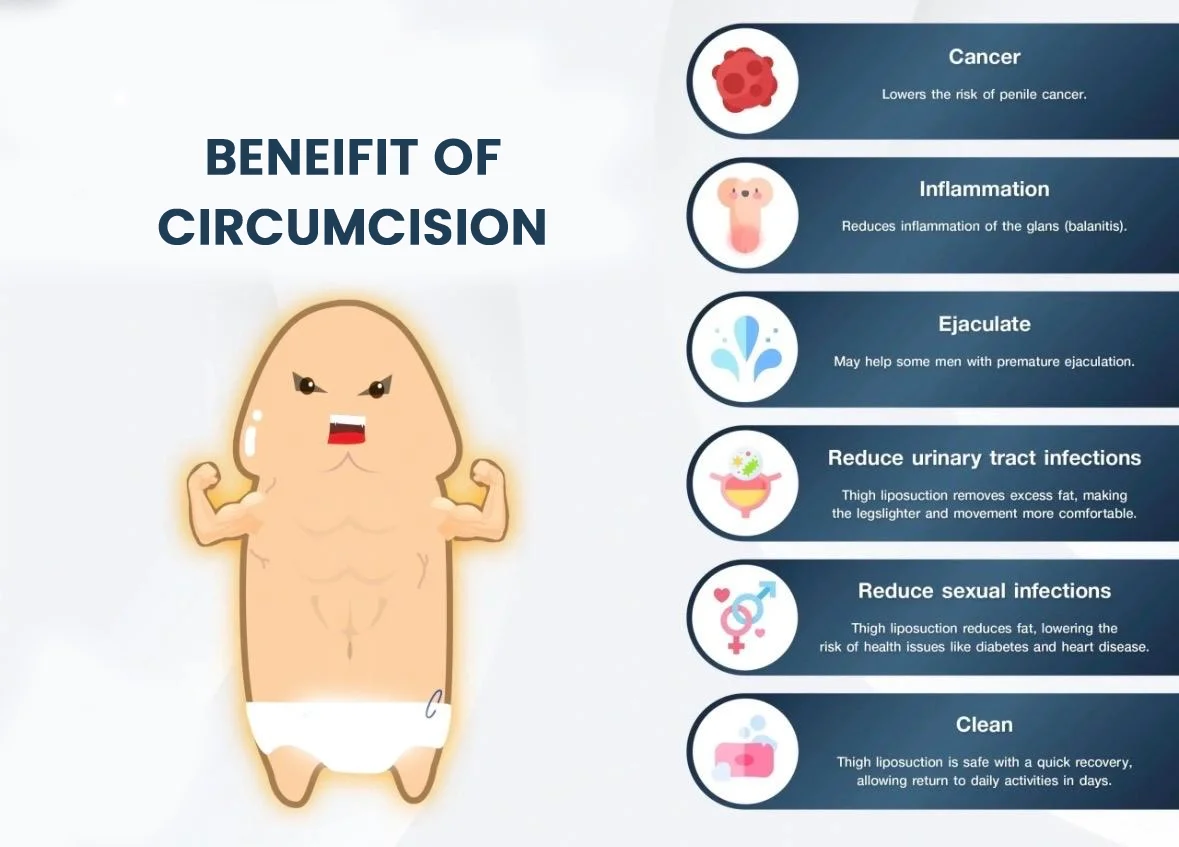
Benefits of Circumcision
When medically indicated, circumcision can help address problems associated with a tight, scarred or repeatedly inflamed foreskin.
Potential benefits may include:
- Treatment of symptomatic phimosis
- Reduction of recurrent foreskin inflammation
- Improved ability to maintain local hygiene
- Relief from foreskin-related discomfort
- Resolution of problems caused by recurrent balanitis
- Prevention of further complications related to certain foreskin conditions
The expected benefits depend on the underlying condition and individual patient factors.
Circumcision for Phimosis
Phimosis is one of the common medical reasons for circumcision in adults.
When the foreskin remains excessively tight and causes pain, recurrent infections or difficulty with hygiene, treatment may be recommended. In some cases, non-surgical treatment may be attempted first. If the condition persists or is associated with significant scarring, circumcision may be considered.
A urologist can assess the severity of phimosis and explain the available treatment options.
Recovery After Circumcision
Recovery after circumcision in Paschim Vihar varies from patient to patient. Some swelling, tenderness or mild discomfort can occur during the initial recovery period.
Patients are generally advised to:
- Keep the surgical area clean and dry as instructed
- Take prescribed medications according to the doctor's advice
- Follow dressing and wound-care instructions
- Avoid strenuous physical activity for the recommended period
- Wear comfortable clothing
- Avoid sexual activity until adequate healing has occurred
- Attend follow-up appointments
The exact recovery instructions will depend on the individual procedure and the patient's healing.
Aftercare Following Circumcision
Good aftercare supports proper healing and reduces the risk of complications.
Patients should follow all instructions provided by the treating urologist. The surgical area should be handled gently, and prescribed medications should be taken as directed.
Contact your doctor if you develop significant bleeding, increasing swelling, severe pain, fever, unusual discharge or difficulty urinating.
Is Circumcision Safe?
Circumcision is a commonly performed surgical procedure, but like any surgery, it can have potential risks. These may include bleeding, infection, swelling, pain, delayed healing or other complications.
A proper medical assessment before the procedure helps identify relevant risk factors. Your urologist can explain the potential benefits and risks based on your individual health and the reason for surgery.
Circumcision in Adults
Adult circumcision may be recommended for medical conditions such as phimosis, recurrent balanitis or persistent foreskin problems.
Adults considering circumcision should undergo a urological consultation before making a decision. The doctor can examine the foreskin, identify the underlying problem and explain whether circumcision or another treatment would be more appropriate.
Why Choose Dr. Mayank Garg at Ayra Speciality Clinic?
Dr. Mayank Garg at Ayra Speciality Clinic provides urological consultation and treatment for conditions affecting the urinary and male reproductive systems.
For patients considering circumcision in Paschim Vihar, the treatment approach includes:
- Detailed urological evaluation
- Assessment of the foreskin condition
- Identification of the underlying cause
- Discussion of suitable treatment options
- Appropriate surgical planning
- Post-procedure care and follow-up
Treatment recommendations are made according to the patient's condition and medical requirements.
When Should You Consult a Urologist?
You should consider a urological consultation if you experience:
- Difficulty retracting the foreskin
- Pain during foreskin retraction
- Recurrent balanitis
- Repeated foreskin infections
- Pain during sexual activity
- Difficulty maintaining hygiene
- Foreskin scarring
- Difficulty urinating due to a tight foreskin
Early evaluation can help identify the cause and prevent recurring problems.
Consult for Circumcision in Paschim Vihar
If you are experiencing persistent foreskin problems, phimosis or recurrent inflammation, professional urological evaluation can help determine the right treatment.
Dr. Mayank Garg at Ayra Speciality Clinic provides consultation and treatment planning for foreskin-related conditions. Circumcision in Paschim Vihar may be recommended when it is medically appropriate based on the patient's symptoms and examination.
A personalised consultation can help you understand the condition, available treatment options and expected recovery.
Frequently Asked Questions
1. What is circumcision?
Circumcision is a surgical procedure in which the foreskin covering the head of the penis is removed.
2. Why is circumcision performed in adults?
It may be recommended for conditions such as symptomatic phimosis, recurrent balanitis, repeated foreskin infections or significant foreskin scarring.
3. Is circumcision always required for phimosis?
No. Treatment depends on the severity and cause of phimosis. A urologist may recommend non-surgical treatment in suitable cases or circumcision when clinically appropriate.
4. How long does recovery after circumcision take?
Recovery varies between individuals. Your doctor will provide specific instructions regarding wound care, physical activity and sexual activity during the healing period.
5. Can circumcision help with recurrent balanitis?
Circumcision may help reduce recurrent problems related to the foreskin in appropriately selected patients. The underlying cause should first be evaluated by a urologist.
6. Where can I consult for circumcision in Paschim Vihar?
You can consult Dr. Mayank Garg at Ayra Speciality Clinic for evaluation of foreskin problems and discussion of suitable treatment options.