
Nephrectomy
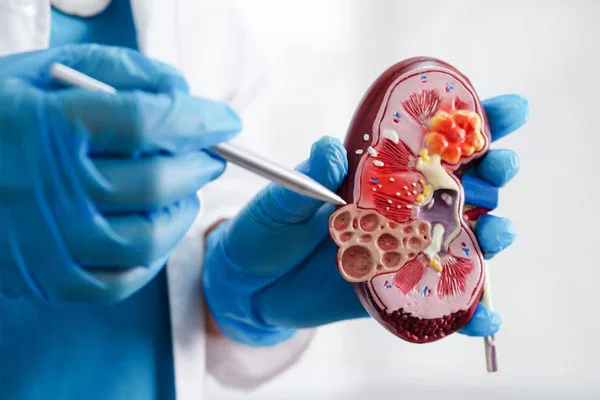
Nephrectomy
The kidneys play an essential role in filtering waste products from the blood and maintaining fluid and electrolyte balance in the body. When a kidney is severely damaged, affected by a tumour, or is causing significant medical problems, surgical removal of part or all of the kidney may sometimes be recommended. This surgery is known as nephrectomy.
If you are looking for nephrectomy in Paschim Vihar, Dr. Mayank Garg at Ayra Speciality Clinic provides urological evaluation and treatment planning for conditions that may require kidney surgery. The appropriate surgical approach depends on the underlying condition, kidney function, size and location of the affected area, and the overall health of the patient.
What Is Nephrectomy?
Nephrectomy is a surgical procedure to remove a kidney. Depending on the patient's condition, the surgeon may remove the entire kidney or only the diseased portion.
There are two major types:
Partial Nephrectomy
In a partial nephrectomy, only the affected portion of the kidney is removed while the healthy kidney tissue is preserved whenever appropriate.
This approach may be considered for selected kidney tumours and other localised conditions where preservation of functioning kidney tissue is possible.
Radical Nephrectomy
A radical nephrectomy involves removal of the entire affected kidney. Depending on the underlying condition, surrounding tissues or structures may also need to be addressed as part of the surgery.
The choice between partial and radical nephrectomy depends on the individual patient's diagnosis and clinical findings.
Why Is Nephrectomy Performed?
Nephrectomy may be recommended for several kidney-related conditions.
Possible indications include:
- Kidney tumours or renal cancer
- A severely damaged or non-functioning kidney
- Certain complex kidney conditions
- Severe kidney damage associated with recurrent problems
- Selected cases of serious kidney infection
- Other conditions where removal of kidney tissue is medically necessary
Not every kidney problem requires surgery. A detailed evaluation is necessary to determine the most appropriate treatment.
Symptoms That May Lead to Kidney Evaluation
Some kidney conditions may not cause symptoms in the early stages. When symptoms occur, they can include:
- Blood in the urine
- Pain in the side or back
- Abdominal discomfort
- Recurrent urinary infections
- Unexplained weight loss
- Persistent fatigue
- Fever in certain conditions
- Changes in urinary habits
These symptoms can have many different causes. Appropriate imaging and medical evaluation are important for diagnosis.
Who May Need Nephrectomy?
A patient may be considered for nephrectomy in Paschim Vihar when diagnostic evaluation shows that removing part or all of a kidney may provide the most appropriate treatment.
The decision may depend on:
- The underlying kidney condition
- Size and location of a kidney tumour
- Whether the disease is localised
- Function of the affected kidney
- Function of the opposite kidney
- Previous kidney procedures
- Overall health
- Other medical conditions
For kidney tumours, preserving healthy kidney tissue may be considered whenever it is clinically safe and appropriate.
Diagnosis Before Nephrectomy
A detailed assessment is performed before kidney surgery. Depending on the suspected condition, investigations may include:
Blood Tests
Blood tests help assess kidney function and overall health before surgery.
Urine Tests
Urine analysis can provide information about infection, blood or other urinary abnormalities.
Ultrasound
Ultrasound can help identify abnormalities involving the kidneys and urinary tract.
CT Scan or MRI
Cross-sectional imaging can provide detailed information about the size, location and characteristics of a kidney lesion and help with surgical planning.
Additional Investigations
Further tests may be recommended depending on the patient's diagnosis and medical history.
The results help the urologist determine whether surgery is necessary and which surgical approach may be appropriate.
How Is Nephrectomy Performed?
The surgical approach depends on the patient's condition and the type of nephrectomy being performed.
Nephrectomy may be performed using minimally invasive techniques, such as laparoscopic or robotic-assisted surgery, in suitable patients. In other situations, open surgery may be recommended.
During a partial nephrectomy, the surgeon removes the affected portion of the kidney while aiming to preserve as much healthy functioning tissue as safely possible.
During a radical nephrectomy, the entire affected kidney is removed.
The exact surgical technique, duration and hospital stay vary depending on the complexity of the case.
Benefits of Nephrectomy
When appropriately indicated, nephrectomy can provide important benefits by addressing the underlying kidney condition.
Potential benefits may include:
- Removal of a diseased or non-functioning kidney
- Treatment of selected kidney tumours
- Removal of localised kidney disease
- Preservation of healthy kidney tissue when partial nephrectomy is appropriate
- Reduction of symptoms caused by certain severely diseased kidneys
The expected outcome depends on the underlying condition and the patient's overall health.
Partial vs Radical Nephrectomy
The choice between partial and radical nephrectomy is made after evaluating the patient's individual condition.
Partial nephrectomy aims to remove the diseased portion while preserving functioning kidney tissue. It may be suitable for selected localised kidney tumours.
Radical nephrectomy removes the entire affected kidney and may be necessary when the disease is extensive or partial removal is not considered appropriate.
Your urologist will discuss the available surgical options after reviewing imaging and other diagnostic findings.
Recovery After Nephrectomy
Recovery following nephrectomy in Paschim Vihar varies depending on the type of surgery, surgical approach and the patient's overall health.
During recovery, patients may be advised to:
- Take prescribed medicines as directed
- Keep surgical wounds clean and follow wound-care instructions
- Maintain adequate fluid intake if recommended
- Avoid heavy lifting and strenuous activity until cleared
- Follow dietary advice provided by the healthcare team
- Attend scheduled follow-up appointments
- Monitor for symptoms such as fever, increasing pain or unusual bleeding
Patients should follow their surgeon's individual postoperative instructions.
Life After Kidney Removal
Many people can live with one healthy functioning kidney. However, kidney function should be monitored following nephrectomy.
After surgery, your doctor may recommend periodic assessment of kidney function and blood pressure. Maintaining a healthy lifestyle and following medical advice can support long-term kidney health.
Patients with a single kidney should also inform healthcare professionals about their medical history when receiving future medical treatment.
Why Choose Dr. Mayank Garg at Ayra Speciality Clinic?
Dr. Mayank Garg at Ayra Speciality Clinic provides consultation and treatment planning for a range of urological conditions.
For patients requiring nephrectomy in Paschim Vihar, care may include:
- Detailed evaluation of kidney-related symptoms
- Review of imaging and diagnostic reports
- Assessment of kidney function
- Discussion of surgical options
- Individualised surgical planning
- Postoperative guidance and follow-up
The recommended procedure depends on the patient's diagnosis, kidney condition and overall health.
When Should You Consult a Urologist?
You should seek urological evaluation if you experience persistent symptoms such as blood in the urine, unexplained side or back pain, recurrent urinary infections or if imaging has identified a kidney mass or other abnormality.
Early assessment can help determine the underlying condition and whether monitoring, medication, minimally invasive treatment or surgery may be appropriate.
Consult for Nephrectomy in Paschim Vihar
If you have been advised to undergo kidney surgery or have been diagnosed with a kidney mass, a consultation with an experienced urologist can help you understand your treatment options.
Dr. Mayank Garg at Ayra Speciality Clinic provides evaluation and surgical planning for kidney-related conditions. Nephrectomy in Paschim Vihar may involve partial or complete removal of the affected kidney depending on the patient's diagnosis and clinical requirements.
A detailed assessment and personalised surgical plan are essential for choosing the appropriate treatment approach.
Frequently Asked Questions
1. What is nephrectomy?
Nephrectomy is a surgical procedure to remove part or all of a kidney.
2. When is nephrectomy required?
It may be recommended for selected kidney tumours, a severely damaged or non-functioning kidney, or other conditions where kidney removal is medically appropriate.
3. What is the difference between partial and radical nephrectomy?
Partial nephrectomy removes the diseased portion of the kidney, while radical nephrectomy involves removal of the entire affected kidney.
4. Can a person live with one kidney?
Many people can live normally with one healthy functioning kidney. Regular medical monitoring may be recommended to assess kidney function.
5. Is nephrectomy always performed through open surgery?
No. Depending on the condition and surgical suitability, nephrectomy may be performed using laparoscopic or robotic-assisted techniques, while open surgery may be appropriate in some cases.
6. Where can I consult for nephrectomy in Paschim Vihar?
You can consult Dr. Mayank Garg at Ayra Speciality Clinic for evaluation of kidney conditions and discussion of appropriate surgical treatment options.